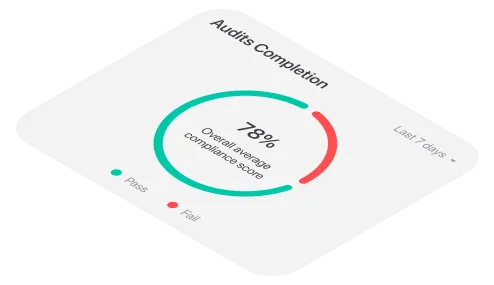


There's a specific moment most safety managers remember: standing in front of an auditor, flipping through a binder, trying to find one inspection form from four months ago that everyone swears was filled out. It's somewhere. Probably. It's just not here, right now, when it actually matters.
That moment - or one like it - is usually what finally triggers the question this guide is built to answer: how do you know when a paper-based health and safety process has quietly stopped working, and what are the actual signs you need health and safety software instead of a better filing system?
Paper isn't wrong on principle. For a five-person site with one weekly checklist, a clipboard is fine. The problem isn't the paper itself. It's that most safety programs outgrow paper long before anyone notices, because the failures show up gradually: a missing form here, a late follow-up there, an inspector who "always does it their own way." None of it looks like a crisis. All of it compounds.
Below is a practical self-assessment: the specific signs that your process has outgrown paper, followed by what digital health and safety software actually fixes and what it doesn't.
Sign #1: records go missing when you need them most
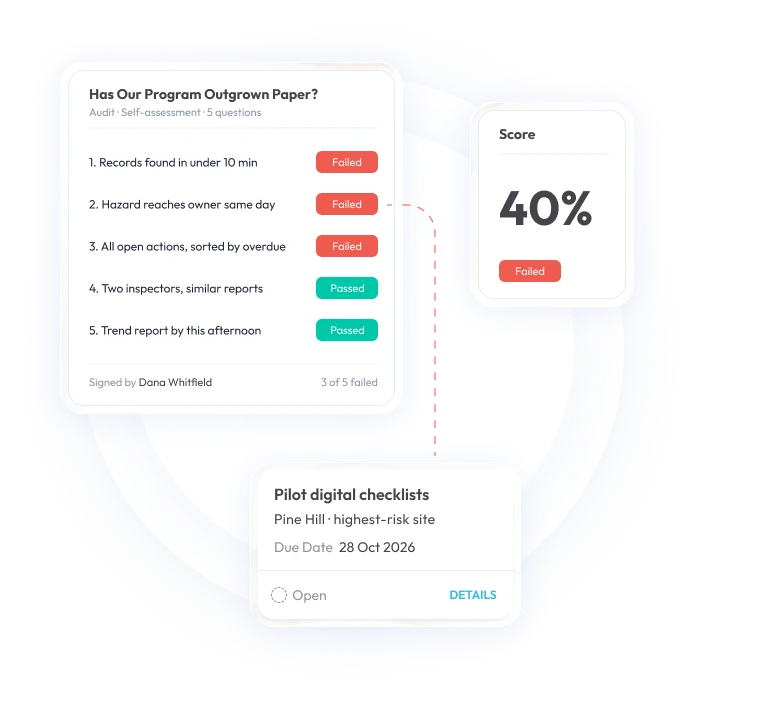
Score yourself honestly: if an auditor asked for every inspection report from a specific location over the last six months, could you produce them in under ten minutes?
Paper records depend on a chain of physical events going right - the form gets filled out completely, it survives the shift, it gets driven or mailed to the office, it gets filed in the correct folder, and it stays there. Break any link, and the record is gone. Multiply that across multiple sites, shifts, and inspectors, and it's not a question of if something goes missing, but how often.
This is one of the most common triggers for switching systems, and for good reason: a missing inspection record during a regulatory audit doesn't just look bad - in many jurisdictions, it's treated the same as the inspection never having happened at all.
The self-assessment question: Do you know, right now, where last month's inspection records for every site are physically located?
Sign #2: reporting takes days, not minutes
On paper, an inspection finding has to survive a journey before anyone with the authority to act on it actually sees it: written down, driven or mailed back to the office, transcribed or filed, and finally reviewed. Each step adds delay and for anything urgent, that delay is the whole problem.
A hazard that takes three days to reach a manager's desk is a hazard that's had three days to cause an incident. This is especially true for organizations spread across multiple locations, where the physical distance between the field and the office turns a same-day fix into a next-week fix.
The self-assessment question: From the moment an inspector spots a hazard, how long does it typically take before the person responsible for fixing it actually knows about it?
<<cta>>
Sign #3: corrective actions get logged but never verified closed
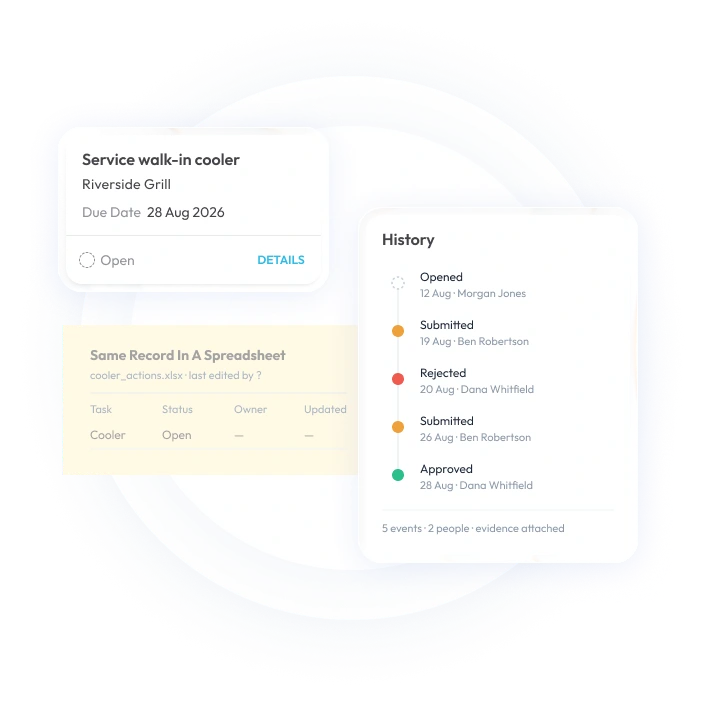
This is the sign that's easiest to miss, because it doesn't look like a failure - it looks like paperwork getting done. A hazard gets found, written down, and maybe even assigned to someone verbally. But without a system that tracks the action to actual closure, "assigned" quietly becomes "forgotten."
Ask around your own team: how many times has the same issue shown up on back-to-back inspection reports, months apart? That recurrence is usually not a sign the hazard is hard to fix - it's a sign nothing was actually tracking whether it got fixed the first time.
The self-assessment question: Can you currently pull a list of every open corrective action, across every site, sorted by how overdue it is? If the honest answer involves "let me call around and check," that's the sign.
Sign #4: inspections vary wildly depending on who's doing them
Paper checklists are static. They don't adapt, they don't enforce completeness, and they don't stop an inspector from skipping a section because they're in a hurry. The result is that inspection quality ends up depending heavily on the individual inspector - their experience, their thoroughness, their mood that day.
This inconsistency is invisible until you compare reports side by side. One inspector's "general area inspection" might cover fifteen specific checkpoints; another's might be four lines of handwriting. Both get filed as completed inspections. Only one of them is actually useful.
The self-assessment question: If you handed the same site to two different inspectors on the same day, would their reports look meaningfully similar?
Sign #5: you have no real visibility across sites, teams, or time
This is the sign that matters most to leadership, even if it's the one field teams notice least. Individual paper reports can be perfectly fine in isolation and still add up to zero visibility at the organizational level, because nobody can aggregate binders. There's no dashboard for a filing cabinet.
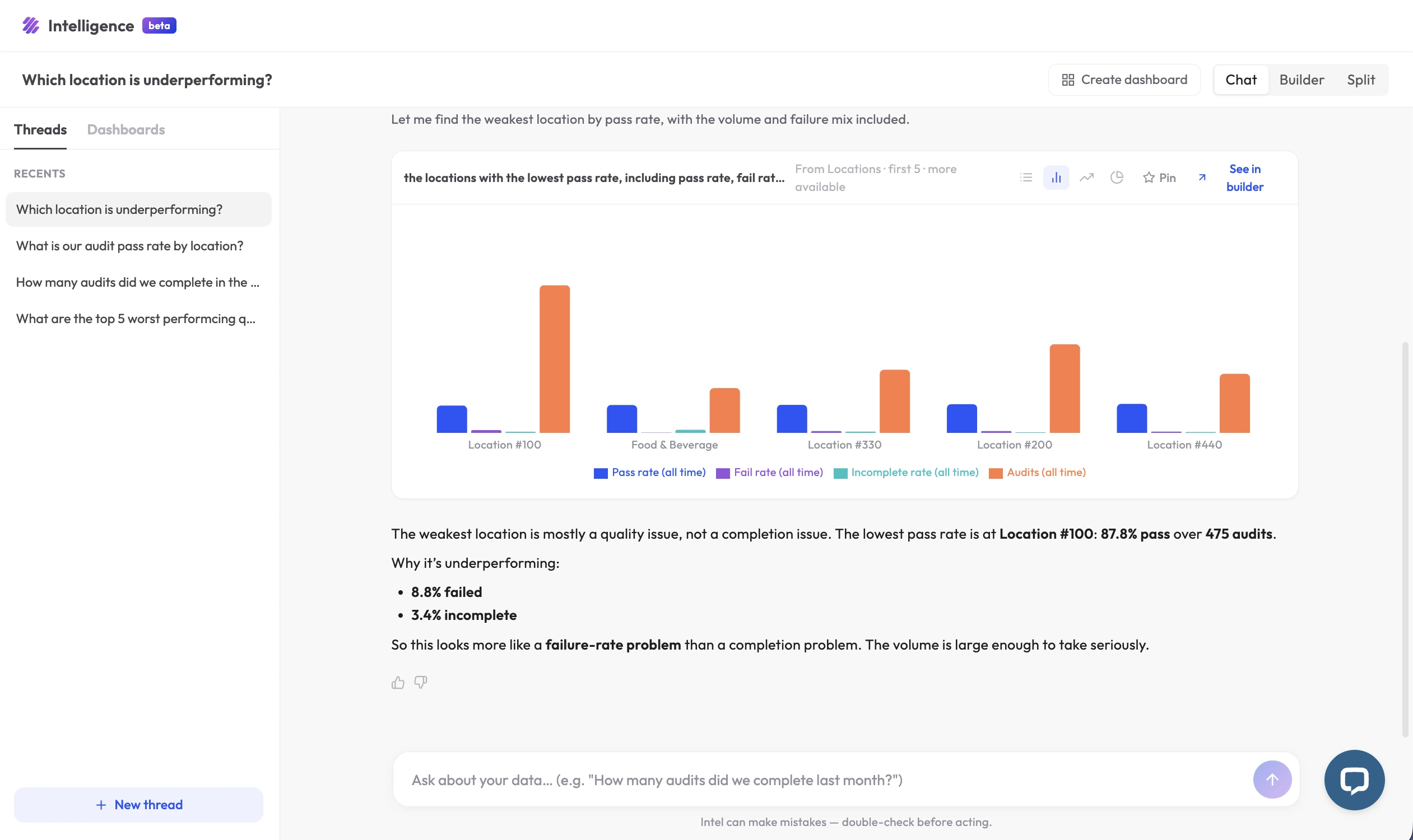
Without visibility across the full data set, you can't answer questions that matter: Which location has the most recurring findings? Is a particular hazard type trending upward this quarter? Are inspections actually happening on schedule, everywhere, or only where someone remembered? These are exactly the questions regulators, insurers, and your own leadership will eventually ask - and "we'd have to go through the files" is not an answer that holds up.
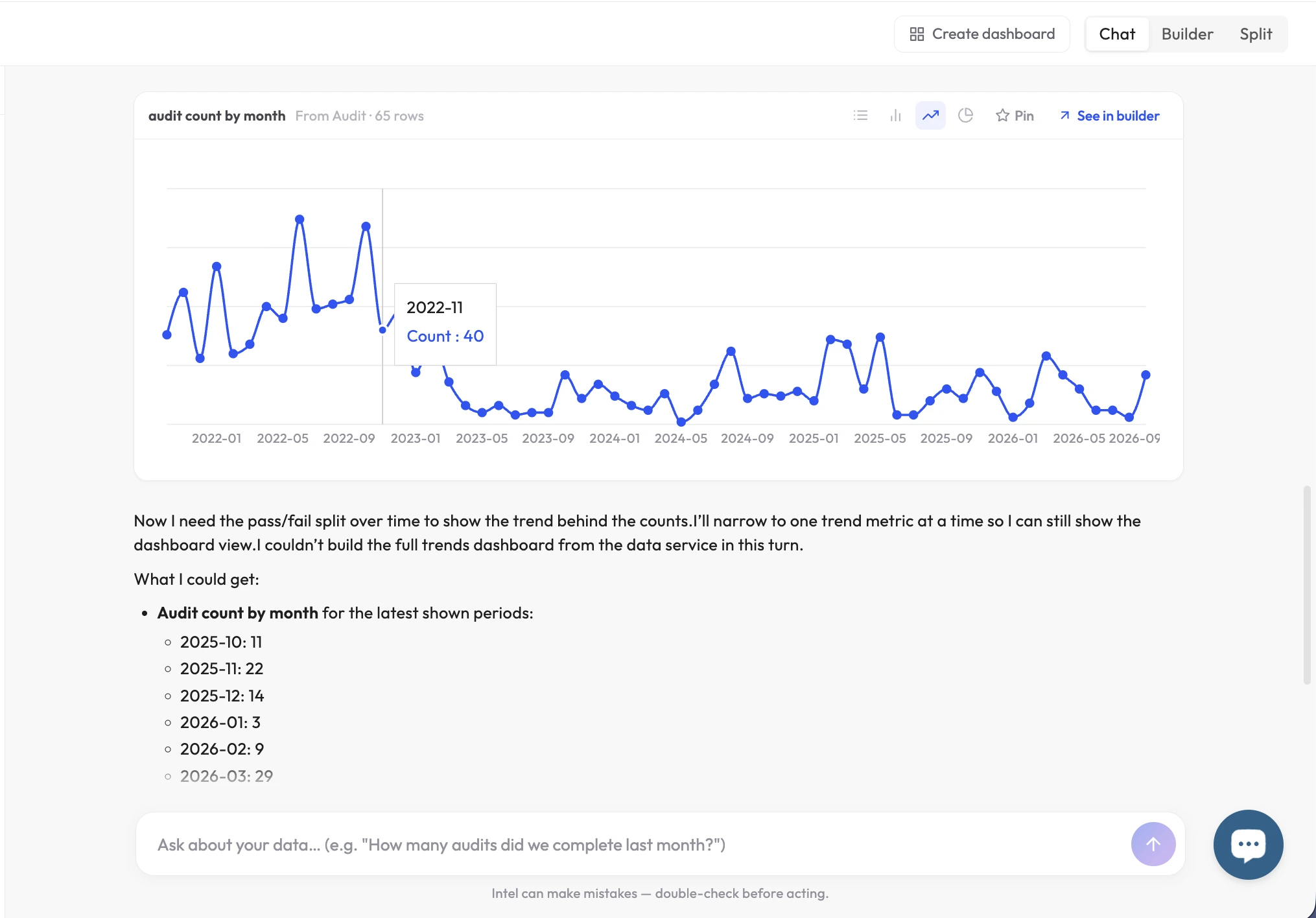
The self-assessment question: Could you generate a trend report - findings by category, by site, over the last year - this afternoon, without a research project?
Scoring your self-assessment
If you answered "no," "not really," or "it depends who you ask" to two or more of the questions above, your health and safety program has likely outgrown what paper can reliably support. That's not a judgment on your team. It's simply what happens as operations scale faster than a manual process can keep up with.
If you answered "no" to four or five, the risk isn't hypothetical. You are very likely one bad audit, one missed follow-up, or one incident investigation away from finding out exactly how much a gap in your records can cost.
<<cta>>
What digital health and safety software actually fixes
It's worth being precise here, because software doesn't fix a broken safety culture on its own - it fixes the structural problems that make good intentions fail in practice.
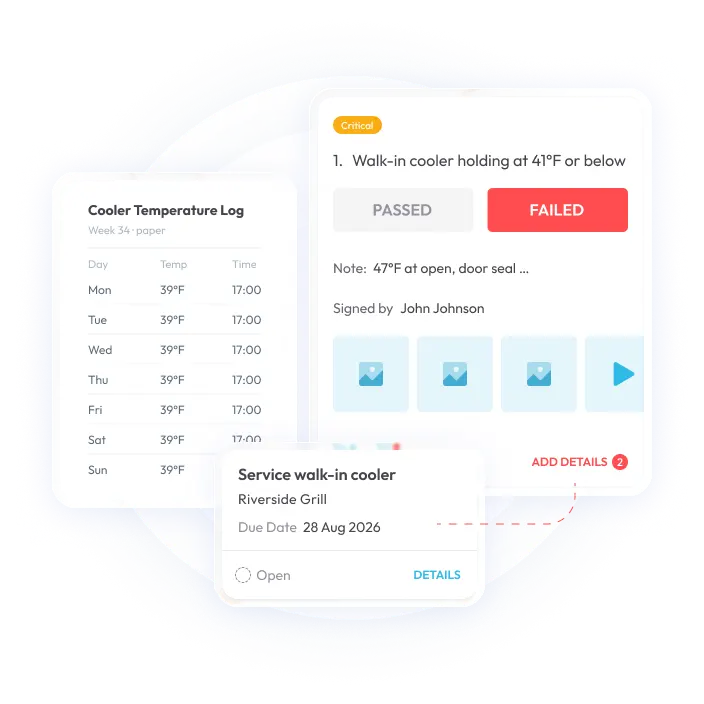
Records that can't disappear. Every inspection, photo, and finding is captured directly in the system at the point of inspection, timestamped and centrally stored. There's no physical form to lose in transit, because there was never a physical form to begin with.
Findings that reach the right person immediately. A hazard identified on a tablet or phone can trigger a notification the moment it's logged - not the moment someone gets back to the office and remembers to mention it.
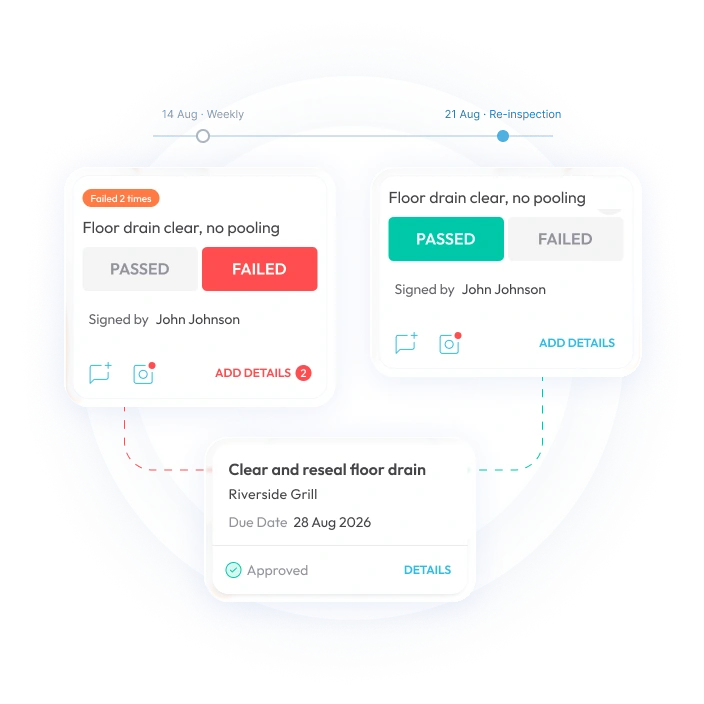
Corrective actions that stay visible until they're actually closed. Assigning an action to a named owner with a due date, inside a system that tracks status, replaces the "I told someone" model with a "here's the record showing it was fixed and verified" model.
Consistency built into the checklist itself. Digital checklists can require a photo, a note, or a specific response before an inspector can move to the next section - which means inspection quality stops depending entirely on individual discipline.
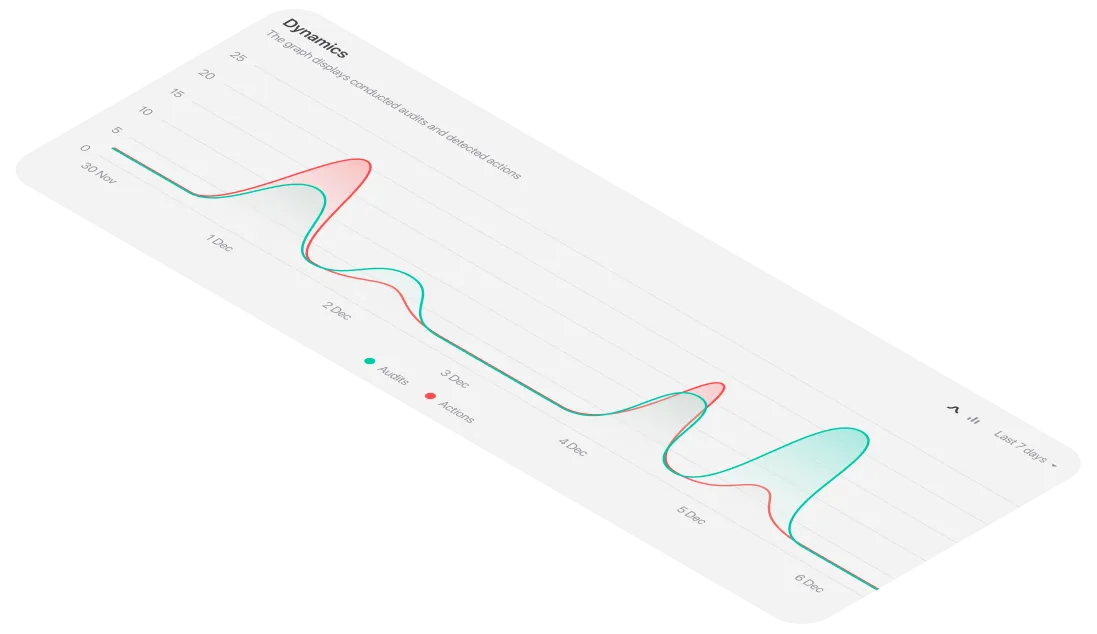
Visibility that spans the whole organization. Once inspection data lives in one system instead of scattered across filing cabinets, dashboards and trend reports become a query, not a project.
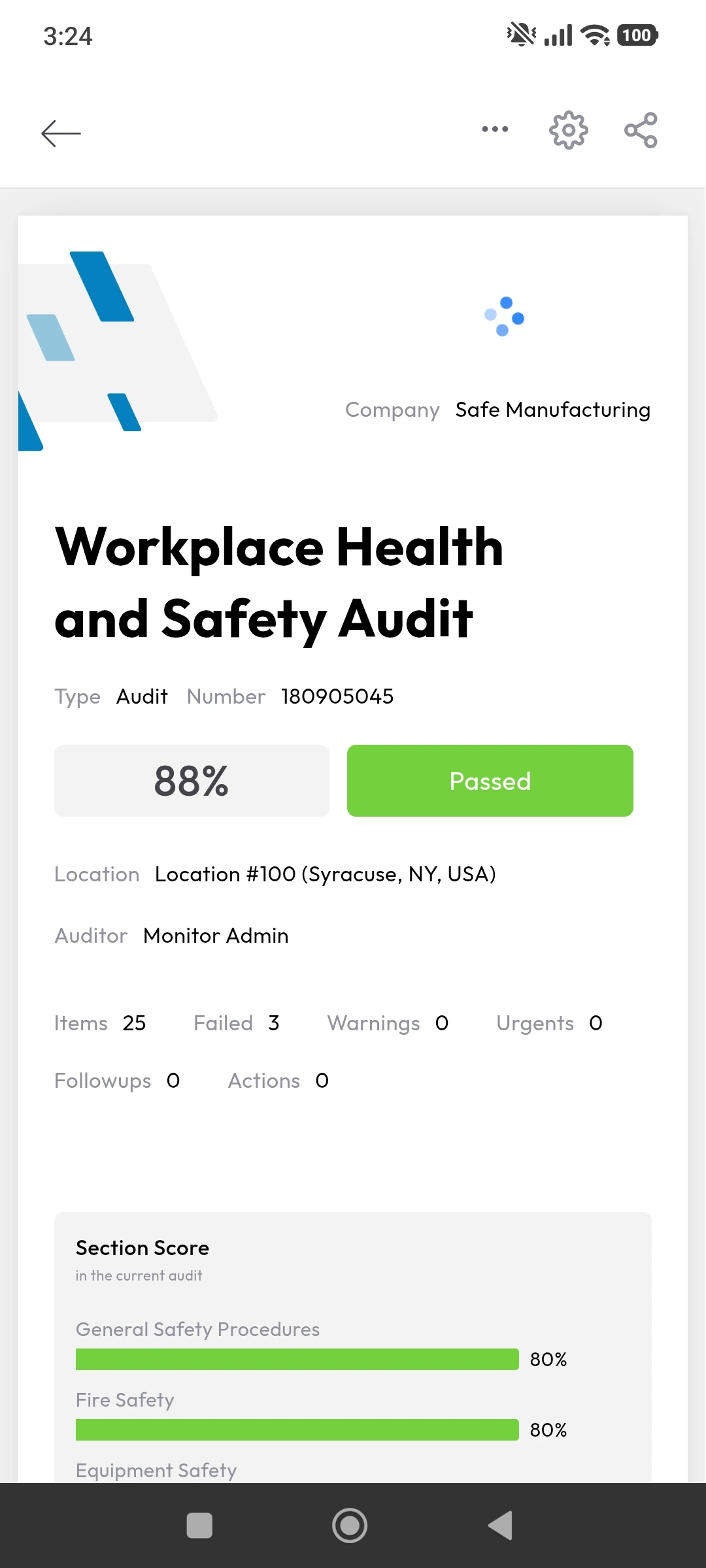
This is precisely the gap platforms like monitorQA's health inspection software are built to close - replacing paper checklists and standalone spreadsheets with digital inspections, photo-backed findings, and corrective action tracking that stays connected from the moment a hazard is spotted to the moment it's verified resolved, across every site and team.
What software won't fix
It's worth being honest about the limits, too. Health and safety software won't create a safety culture where none exists - if inspections aren't happening at all, digitizing an inspection that never occurs doesn't help. It won't replace the judgment of a trained inspector walking the floor, and it won't automatically make employees report hazards they weren't reporting before.
What it does is remove the structural reasons a good process falls apart at scale: the lost form, the delayed report, the corrective action nobody tracked, the inconsistency between inspectors, the total lack of visibility once you're operating across more than one site. If your team already does the work well, software makes that work durable, visible, and provable. If the underlying process has gaps, software makes those gaps visible too - which, uncomfortable as that sounds, is usually the first real step toward fixing them.
<<cta>>
Making the decision
You don't need to move everything off paper overnight, and for a very small, single-site operation, paper may genuinely remain adequate for longer. But if you recognized your organization in two or more of the five signs above - missing records, slow reporting, uncertain follow-ups, inconsistent inspections, or no real visibility across sites - that's a reasonably reliable signal that the cost of staying on paper (in time, in risk, in audit exposure) has quietly exceeded the cost of switching.
The organizations that make this transition well tend to start with the highest-risk sites or the most audit-sensitive processes first, prove the system works there, and expand from there - rather than attempting a full organization-wide switch in one step.
If you're at that point, it's worth looking at what a purpose-built platform can do for your specific risk profile. monitorQA's health inspection software is designed around exactly the gaps this guide covers: centralized, tamper-proof records, real-time reporting from the field, tracked corrective actions, consistent digital checklists, and full visibility across every location - the difference between a health and safety program you hope is working and one you can actually prove is.