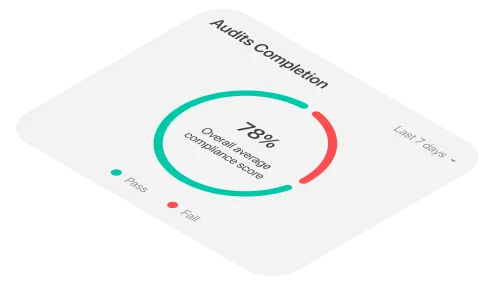
Ask any auditor which questions on their checklist are pointless and you’ll get an answer in about five seconds. The one that asks the same thing twice. The one that always passes because nobody’s sure what a fail would look like. The one that always fails, everywhere, no matter who’s holding the clipboard.
Ask who’s going to fix the checklist and it goes quiet.
It’s not that nobody cares. Reviewing a 34-question checklist properly means going through months of results question by question and that’s a day of work with no deadline attached. So the checklist stays as it is, auditors keep answering questions that don’t tell anyone anything and the score slowly drifts away from what’s actually happening behind the bar.
How a good checklist goes stale
Most checklists start out sensible. Then the business changes around them.
A second checklist gets created for a slightly different purpose and half its questions are copied from the first. Something goes wrong, a question gets added in a hurry and it never gets reviewed once the dust settles. A rating scale that seemed precise when it was written turns out to produce a 7 or an 8 every single time.
None of this is visible from the checklist itself. It shows up in the results: in which questions pass every single time and which ones never do.
<<cta>>
Two lists worth looking at
With monitorQA connected to an assistant like Claude (the setup guide explains how), you can ask for both at once. Take a bar group running a Bar Hygiene & Readiness Audit across its locations:
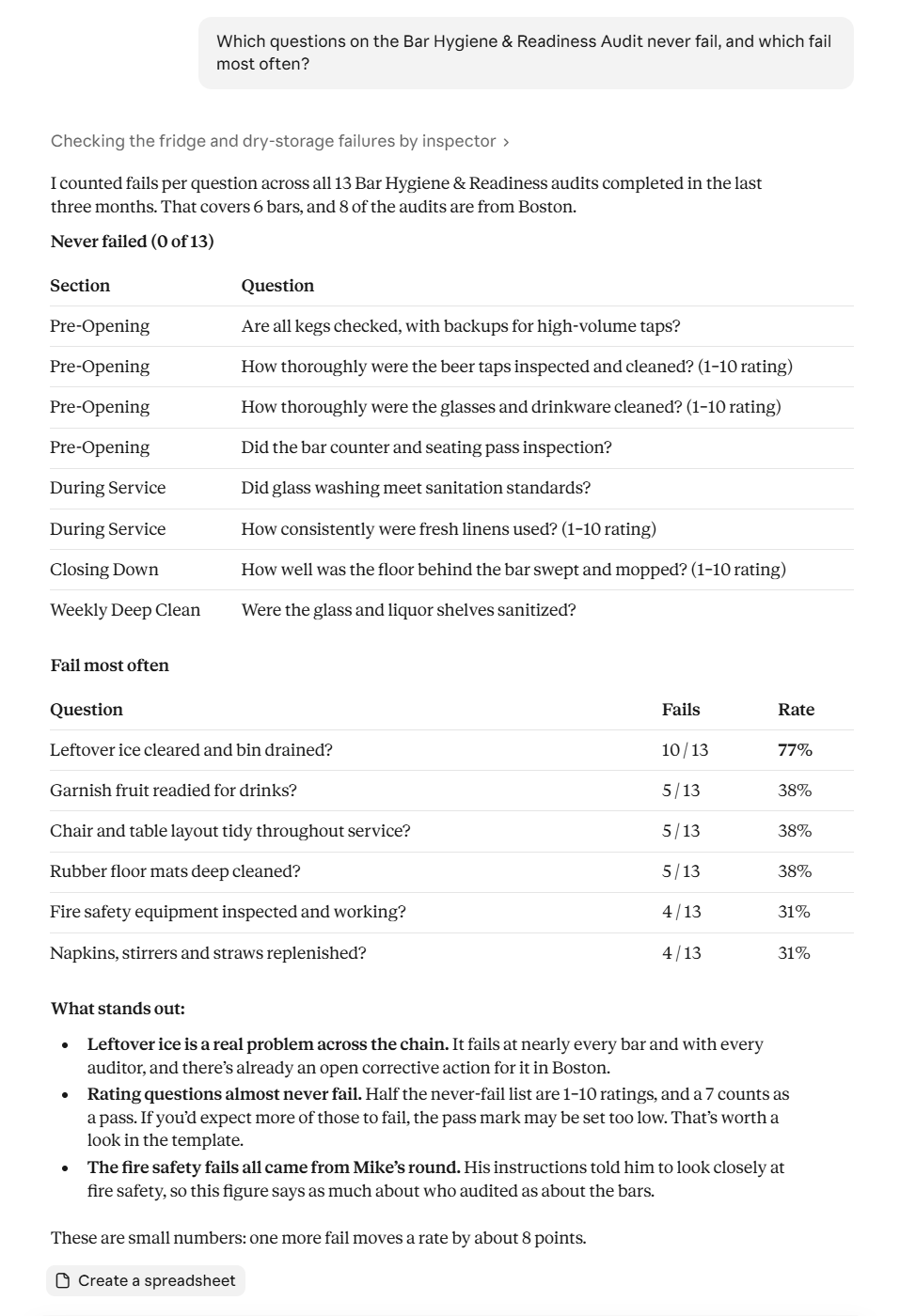
“Which questions on the Bar Hygiene & Readiness Audit never fail, and which fail most often?”
The assistant reads the checklist itself and every audit runs against it, answer by answer, and comes back with two short lists.
Neither list is a list of questions to delete. Each one is a list of questions to think about and the right answer differs from question to question.
Questions that never fail
A question that has passed in every audit usually falls into one of three groups:
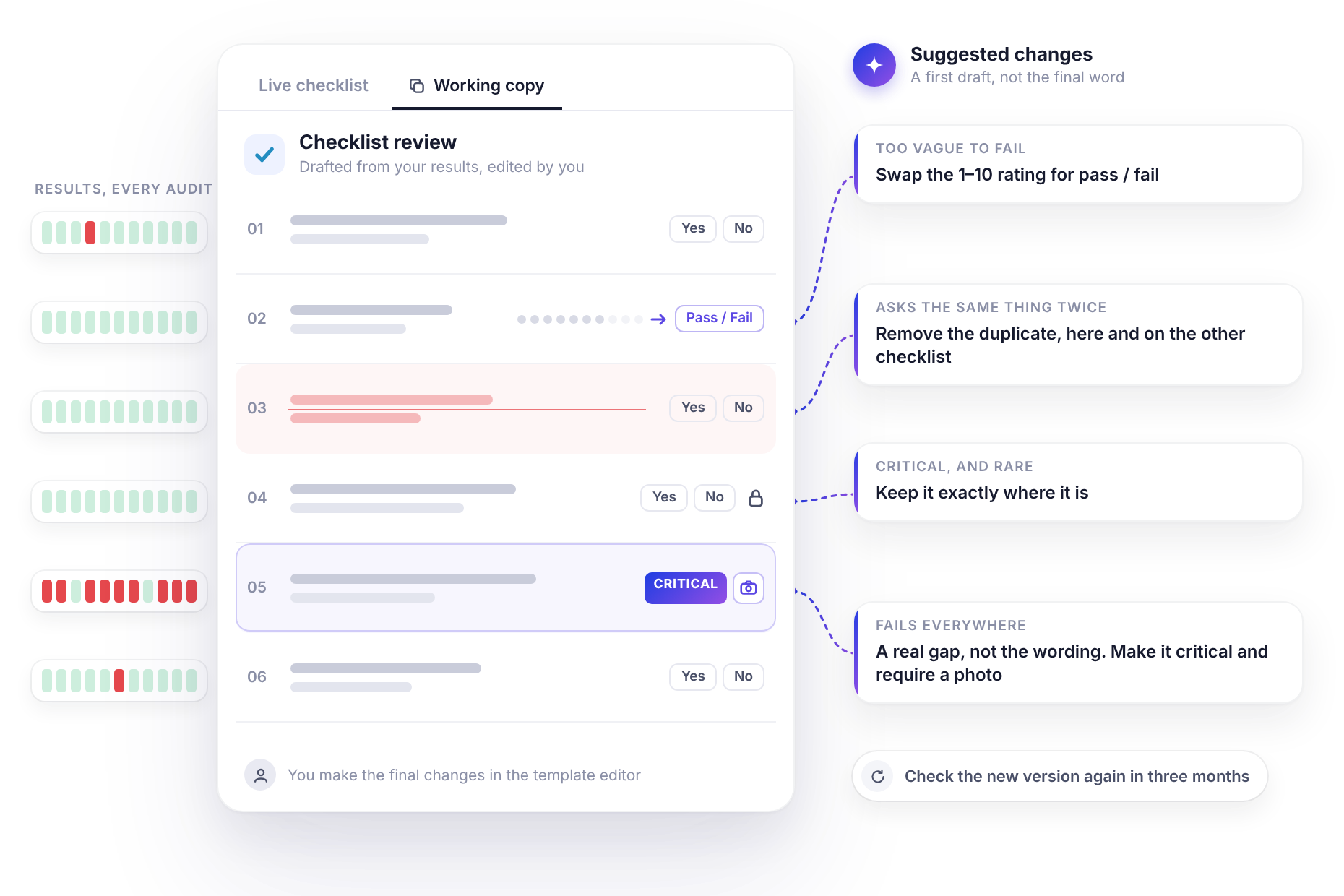
- It’s too vague to fail. Rating questions are the usual suspects. If a 7 out of 10 counts as a pass and auditors almost always give a 7 or an 8, the question is measuring politeness, not cleanliness. Asking for something specific (“Tap nozzles free of residue when removed”) gives auditors something to actually check.
- The problem is solved. If the kegs really are checked every day, and have been for months, the question isn’t wrong but it may not need to be on every audit. A monthly checklist might be a better home for it.
- It’s critical, and rare. “Glass washing at the correct temperature and chemical” should pass every time. When it doesn’t, you want to know immediately. These stay exactly where they are.
The assistant can help sort them but this is where your judgment matters most. Only you know which checks protect against the bad day that hasn’t happened yet.
Questions that always fail
A question that fails in most audits is telling you something too but it could be one of three things: the requirement isn’t realistic, the question isn’t clear or there’s a real problem nobody has fixed.
Who fails it and where is the first clue. If one auditor fails it and the others don’t, that’s an auditor question (Can you trust your audit data? covers that). If one bar fails it, that’s a site problem, and The failures your averages hide covers what to do next. The leftover-ice question here is different: it failed at five of six bars, with all three auditors. When everyone fails something everywhere, either the whole chain has the same habit or the checklist is asking for something the opening routine doesn’t allow.
What people wrote when they failed it helps determine whether the question is doing its job. Corrective actions raised against a failed question come with the audit, so the assistant can read them too. Here, the one action on that question says the ice bin was still half full from the night before. That’s a real gap in how the bars close down at night, not a wording problem, and the question is doing its job.
<<cta>>
Ask for specific suggestions
Once you know what you’re dealing with, you can ask the assistant to draft the changes:
“Based on those results, what would you change on this checklist? Include questions that repeat each other, here or on the Bar Cleaning Checklist.”
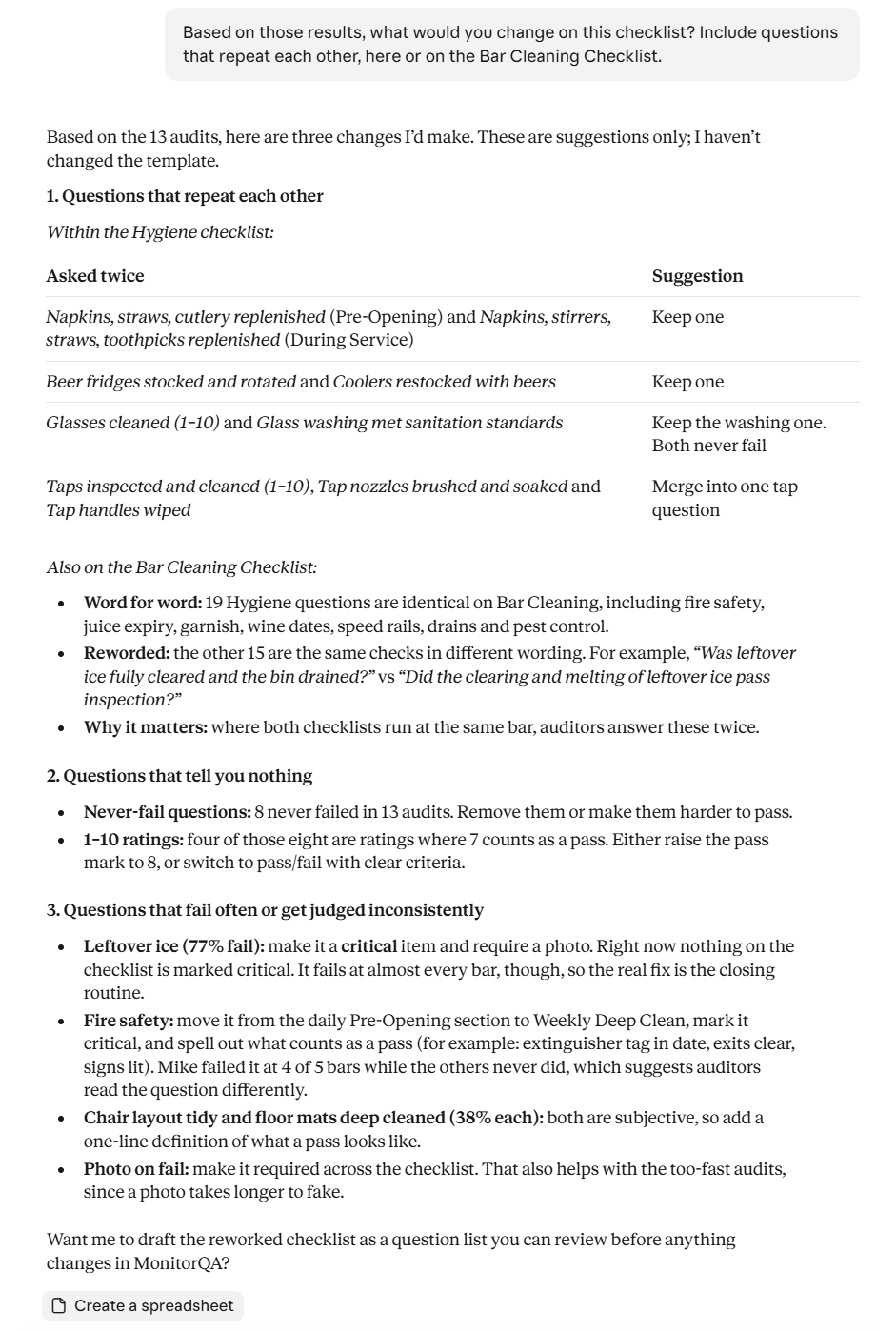
Duplicates are worth asking about specifically. Long checklists collect them over time, often worded differently enough that nobody notices: “Have items such as napkins, straws and plastic cutlery been replenished?” before opening, and “Have items like napkins, stirrers, straws and toothpicks been replenished?” during service. Duplicates across checklists are easier still to miss. Here, every question on the hygiene audit turned out to be on the cleaning checklist too, 19 of them word for word and the rest reworded. Where a bar runs both, auditors answer the same 34 things twice and the same ice bin fails twice under two different wordings.
Treat the suggestions as a first draft. Some will be spot on, some won’t fit how your sites work and you’ll think of better wording for a few. That’s still far faster than starting from a blank page.
Making the changes
This is one step the assistant leaves to you. It can read your checklists and draft changes but it can’t edit them. A person makes the changes in monitorQA’s template editor.
If you’d rather not touch the live checklist while you work, ask the assistant to make a copy. You can work on the copy and compare it with the original before changing anything your auditors use. And if a question needs rewriting from scratch, the AI-powered template builder in monitorQA can help with the drafting.
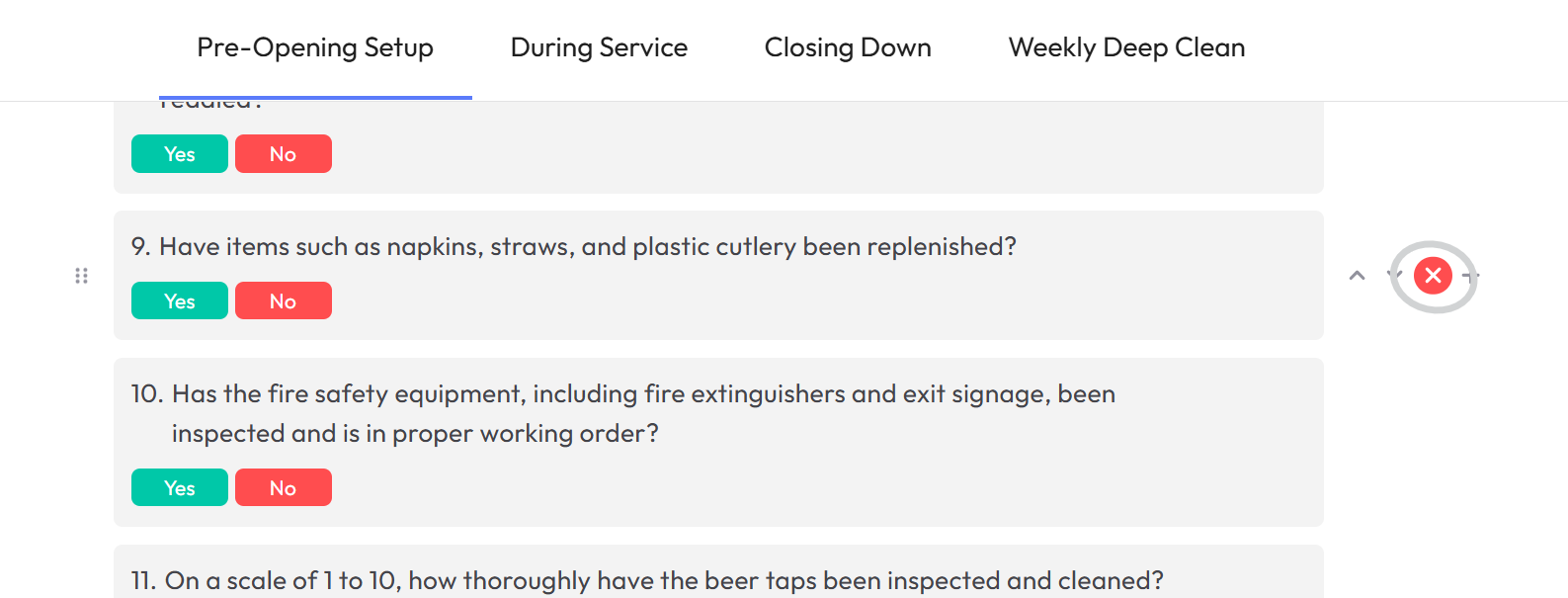
For a checklist every auditor works from, having a person make the final call is no bad thing.
Before you change anything
A few habits keep a checklist review from causing new problems:
- Think about your trends. If you reword a question, its history before and after may not compare cleanly. For questions you track closely, note the date of the change so nobody mistakes a new wording for a sudden improvement.
- Tell the auditors what changed and why. A short note goes a long way, especially if their feedback is the reason a question was fixed.
- Don’t try to fix everything at once. Start with the five or six questions causing the most noise. You can always do another round.
- Check again in three months. Ask the same question about the new version. If the reworded questions now produce a sensible mix of passes and fails, the change worked.
<<cta>>
Start with the checklist your auditors complain about
Every organization has one: the long one, the old one, the one people sigh about when it comes up on the schedule. Run the two lists on that checklist first.
You’ll probably find that the auditors were right all along. The difference is that now you have the results to show it, and a draft of what to change.